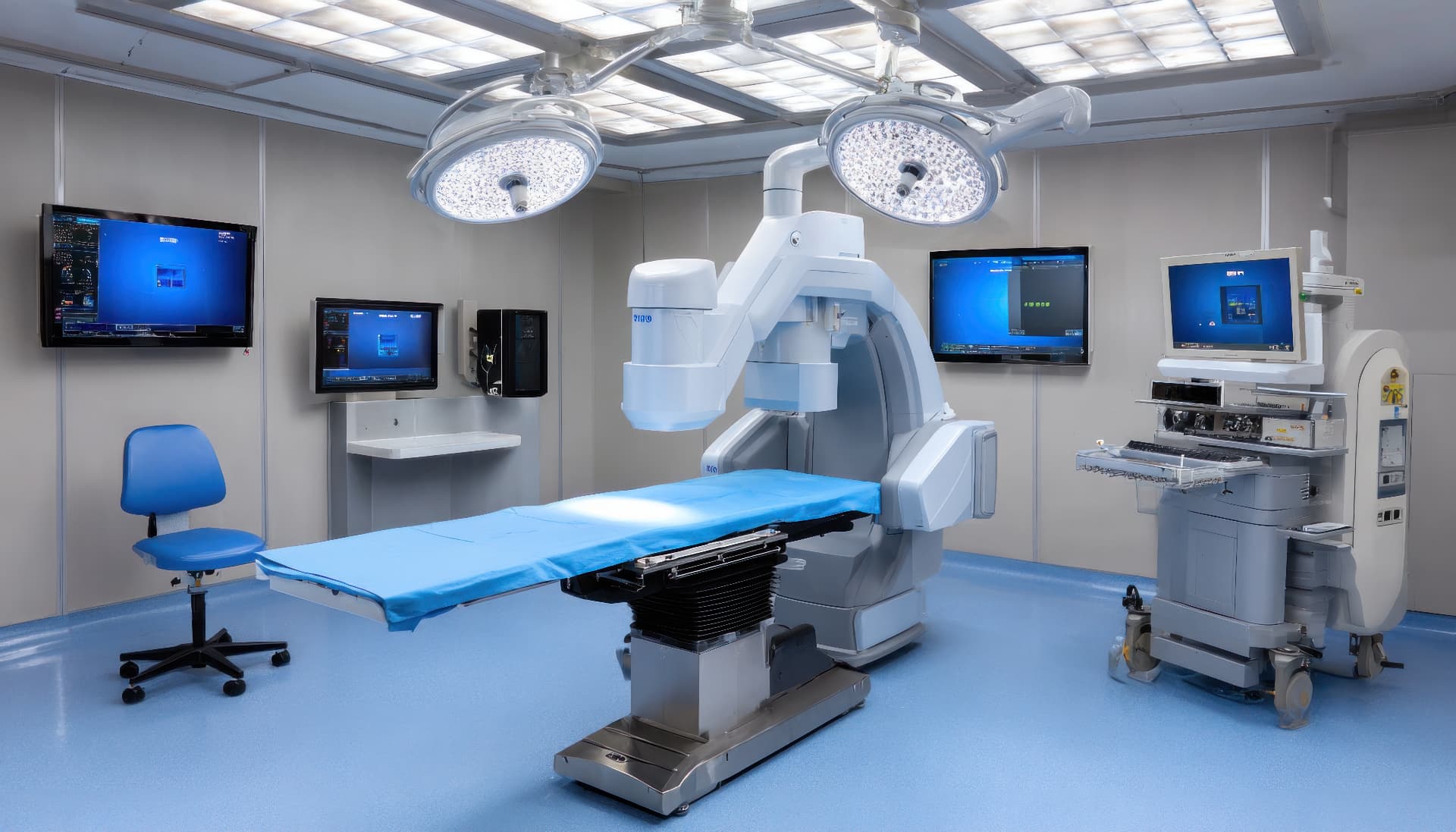
ERCP
Endoscopic Retrograde Cholangiopancreatography
ERCP is a specialised endoscopic procedure that combines endoscopy and X-ray imaging to diagnose and treat conditions affecting the bile ducts, gallbladder, and pancreas. It allows for therapeutic interventions that can often avoid the need for surgery.
Book a ConsultationWhat is ERCP?
During ERCP, a special side-viewing endoscope (duodenoscope) is passed through the mouth into the duodenum (first part of the small intestine). A small catheter is then inserted into the opening of the bile duct (papilla), and contrast dye is injected to visualise the bile ducts and pancreatic duct on X-ray.
This allows the doctor to identify any abnormalities such as stones, strictures, or tumours, and perform therapeutic procedures in the same session. ERCP is considered a complex endoscopic procedure requiring specialised training and expertise.
When is ERCP Indicated?
Therapeutic Procedures
ERCP is not just a diagnostic tool—it allows for a range of therapeutic interventions that can treat conditions without open surgery.
Stone Removal
Extraction of gallstones from the bile duct using baskets or balloons after sphincterotomy.
Stent Placement
Insertion of plastic or metal stents to relieve bile duct or pancreatic duct obstruction.
Sphincterotomy
Cutting the sphincter muscle to widen the bile duct opening, allowing stone passage or drainage.
Stricture Dilation
Widening of narrowed bile ducts using balloon catheters.
Tissue Sampling
Brushings or biopsies of the bile duct for diagnosis of suspected malignancy.
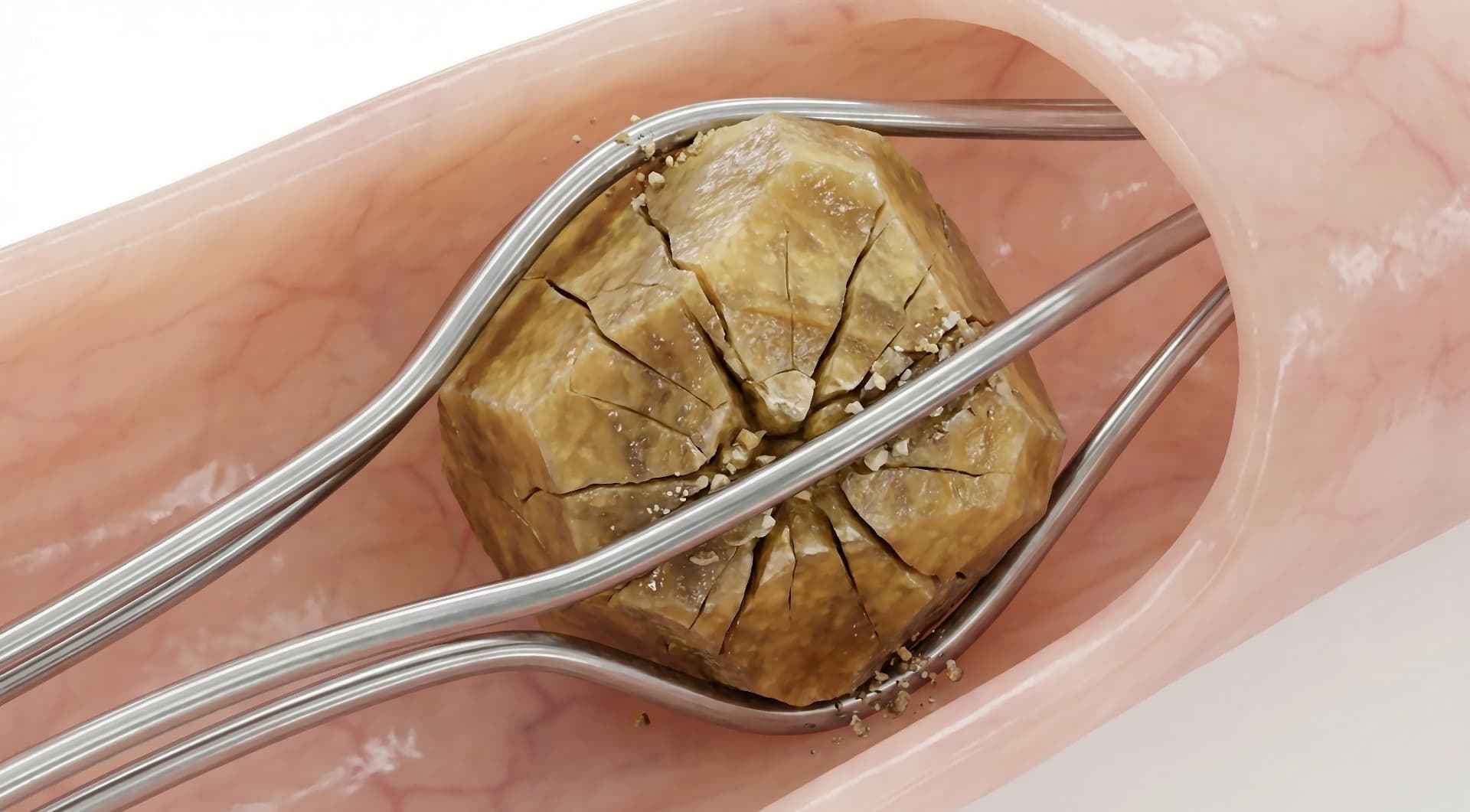
Removal of stone from the bile duct
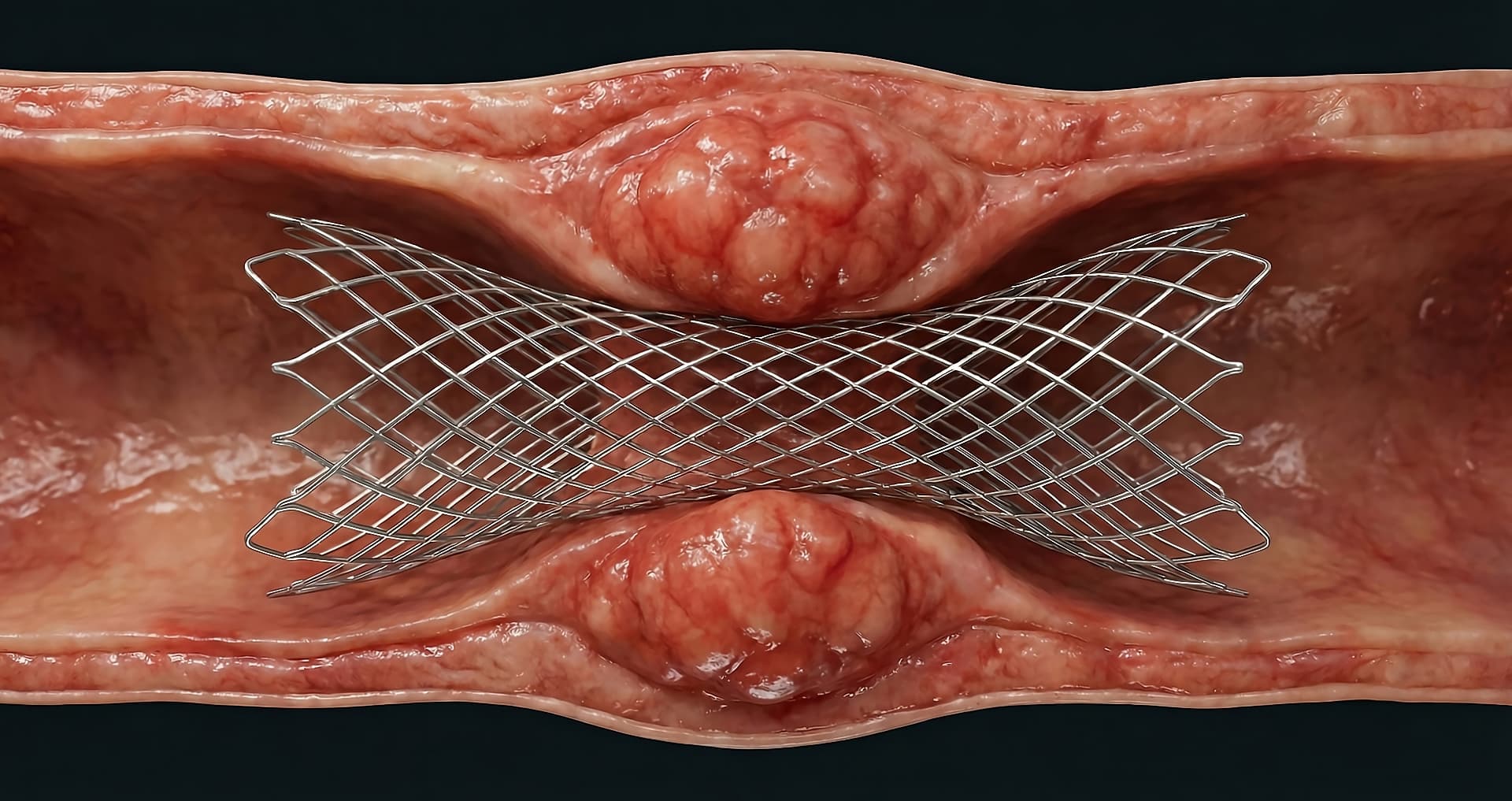
Stenting of the bile duct
Preparation
Proper preparation ensures the procedure is safe and effective. You will receive specific instructions before your appointment.
- Fasting for at least 6-8 hours before the procedure
- Blood tests to check clotting function and liver enzymes
- Review of medications, particularly blood thinners which may need to be stopped
- Antibiotics may be given before the procedure in certain cases
- Arrange for someone to accompany you home after the procedure
Risks and Complications
ERCP is a more complex procedure than standard endoscopy and carries higher risks. However, when performed by experienced specialists, it remains safe for most patients:
- Pancreatitis: The most common complication (3-5%), usually mild and self-limiting
- Bleeding: May occur after sphincterotomy, usually minor
- Infection (Cholangitis): Risk reduced with antibiotics and adequate drainage
- Perforation: Rare (less than 1%)
- Sedation-related: Standard risks associated with deep sedation or anaesthesia
The benefits of ERCP often significantly outweigh the risks, particularly when treating conditions like bile duct stones or obstructive jaundice. All risks will be discussed during your consultation.
Specialist Expertise
ERCP requires advanced training beyond standard gastroenterology fellowship. Dr. Thurairajah completed sub-specialist training in advanced hepatobiliary endoscopy, including ERCP and EUS, at University College London (UCL), a recognized centre for therapeutic endoscopy in the UK.
With extensive experience in complex ERCP procedures, including difficult stone extraction, stricture management, and biliary stenting, patients can be confident of receiving specialized care.
Frequently Asked Questions
Common questions about ERCP and what to expect.
Specialized ERCP Services
If you have been referred for ERCP or have a bile duct or pancreatic condition requiring evaluation, schedule a consultation to discuss your treatment options.
Disclaimer: The information provided on this page is for educational purposes only and is not intended as a substitute for professional medical advice, diagnosis, or treatment. Always seek the advice of your physician or other qualified health provider with any questions you may have regarding a medical procedure.