Autoimmune Hepatitis
Autoimmune hepatitis is a chronic condition where the body's immune system attacks liver cells, causing inflammation. Early diagnosis and proper treatment aims to reduce the risk of progression to cirrhosis.
Book a ConsultationKey Facts
- Can occur at any age but often diagnosed in young women
- Often associated with other autoimmune conditions
- Responds well to immunosuppressive treatment in most cases
- Requires long-term monitoring and treatment
Signs & Symptoms
Symptoms can range from mild to severe. Some patients are asymptomatic and diagnosed incidentally through blood tests.
- Fatigue and general tiredness
- Abdominal discomfort or pain
- Joint pain (arthralgia)
- Jaundice (yellowing of skin and eyes)
- Itchy skin (pruritus)
- Nausea and loss of appetite
- Dark urine
- Spider-like blood vessels on the skin
Risk Factors
While the exact cause is unknown, certain factors increase the risk of developing autoimmune hepatitis.
- Female gender (more common in women)
- Family history of autoimmune diseases
- Personal history of other autoimmune conditions
- Certain genetic markers (HLA-DR3, HLA-DR4)
- Previous viral infections (hepatitis, Epstein-Barr virus)
- Certain medications that may trigger immune response
Diagnosis
Diagnosis involves a combination of blood tests, imaging, and often liver biopsy to confirm the condition and assess severity.
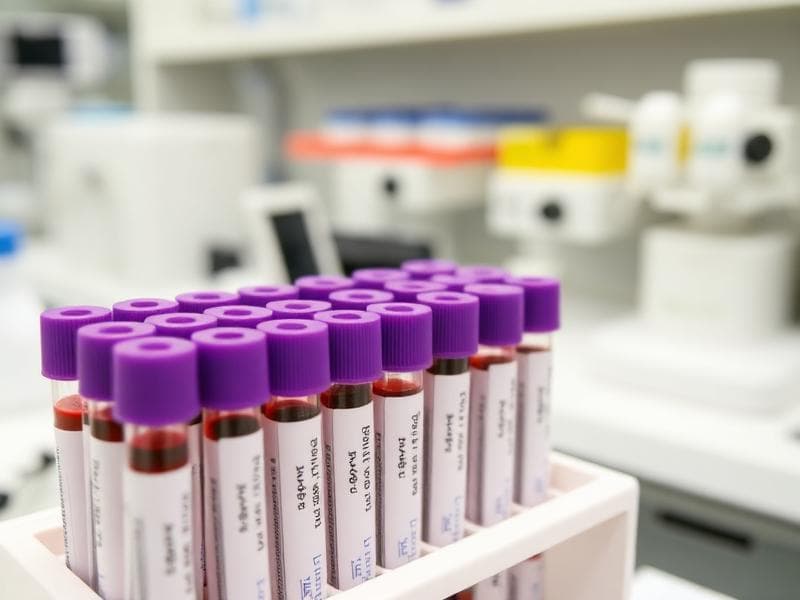
Blood Tests
Liver function tests (elevated ALT, AST), immunoglobulin levels (IgG), and autoantibodies (ANA, SMA, anti-LKM-1) are essential for diagnosis.
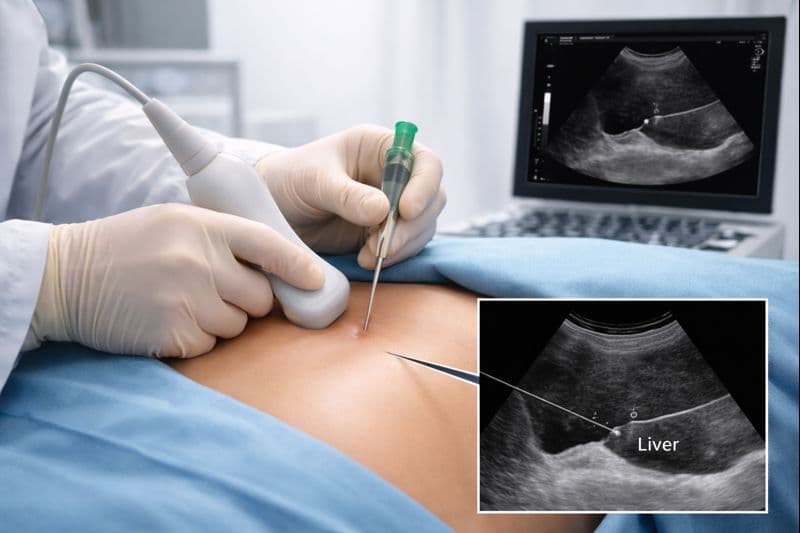
Liver Biopsy
A tissue sample from the liver is examined under a microscope to assess the degree of inflammation and fibrosis. This is often needed to confirm the diagnosis.
Learn more about this procedure →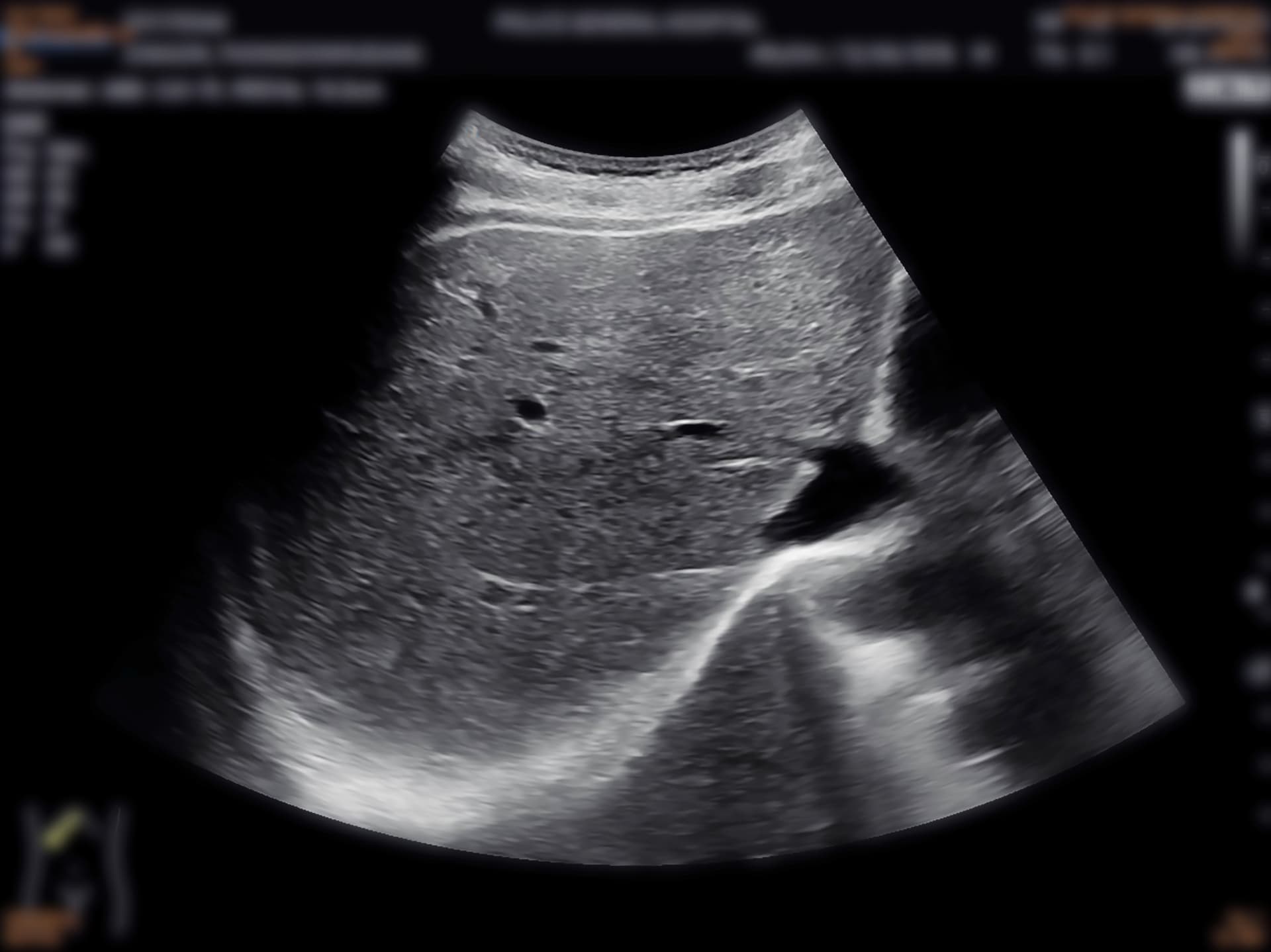
Imaging Studies
Ultrasound, CT scan, or MRI may be used to evaluate liver structure and rule out other causes of liver disease.
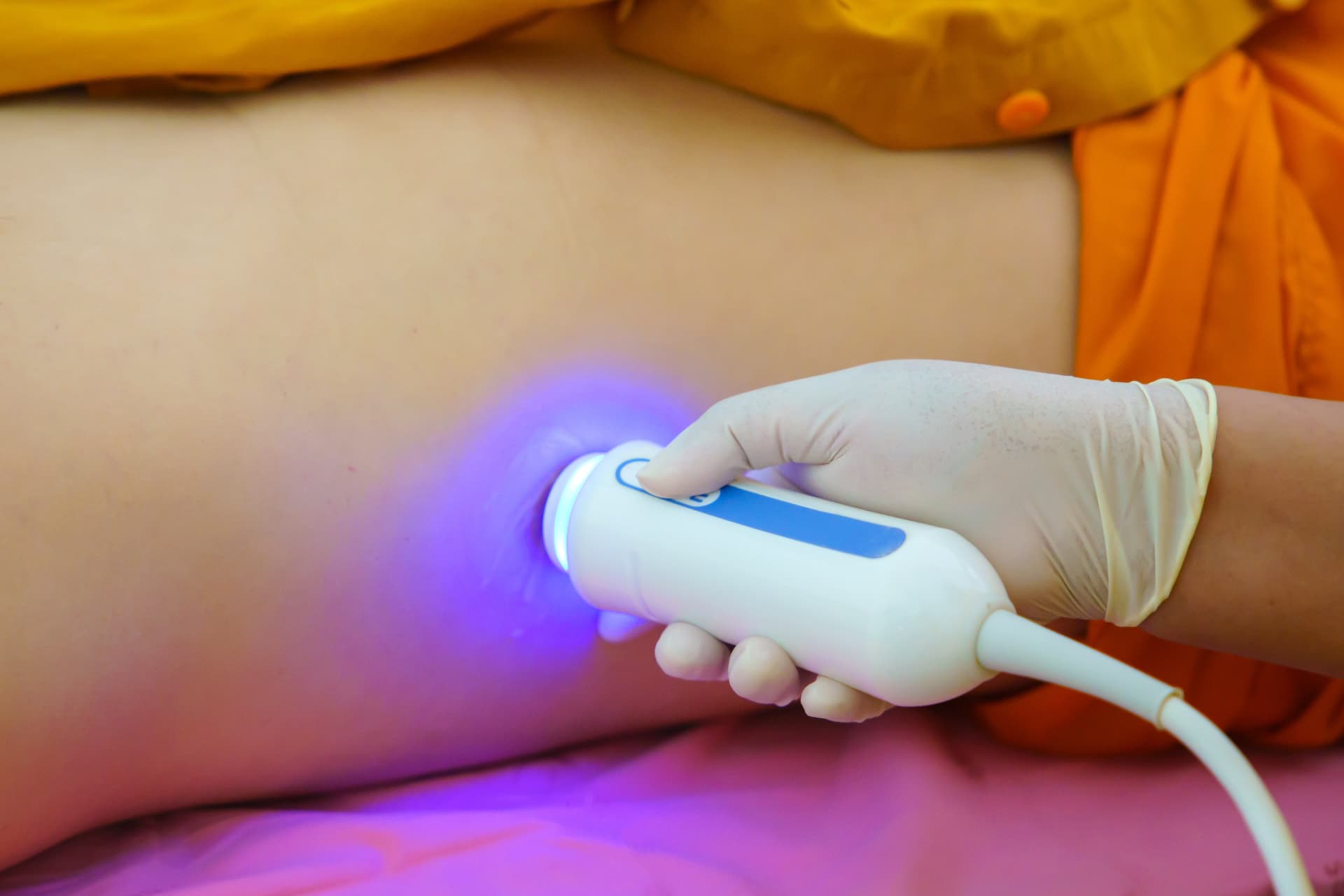
Fibroscan
A non-invasive test to measure liver stiffness and assess the degree of fibrosis or scarring.
Learn more about this procedure →Treatment Options
The goal of treatment is to suppress the immune system's attack on the liver, reduce inflammation, and prevent progression to cirrhosis.
Treatment Goals
- Aim to Achieve Remission
Seek to normalise liver enzymes and reduce inflammation
- Prevent Fibrosis
Stop progression to liver scarring and cirrhosis
- Maintain Quality of Life
Minimise medication side effects while controlling disease
- Long-term Monitoring
Regular blood tests to monitor response and adjust treatment
Concerned About Your Liver Health?
If you're experiencing symptoms or have been diagnosed with autoimmune hepatitis, Dr. Prem Thurairajah can provide specialised clinical evaluation and personalised treatment.
Schedule a ConsultationRelated Conditions
You may also be interested in learning about these related conditions.
The information provided is for educational purposes only and should not replace professional medical advice. Please consult Dr. Prem Thurairajah for personalised diagnosis and treatment options.