Inflammatory Bowel Disease
Specialized diagnosis and comprehensive management of Crohn's disease and ulcerative colitis with established biologic therapies and personalised care.
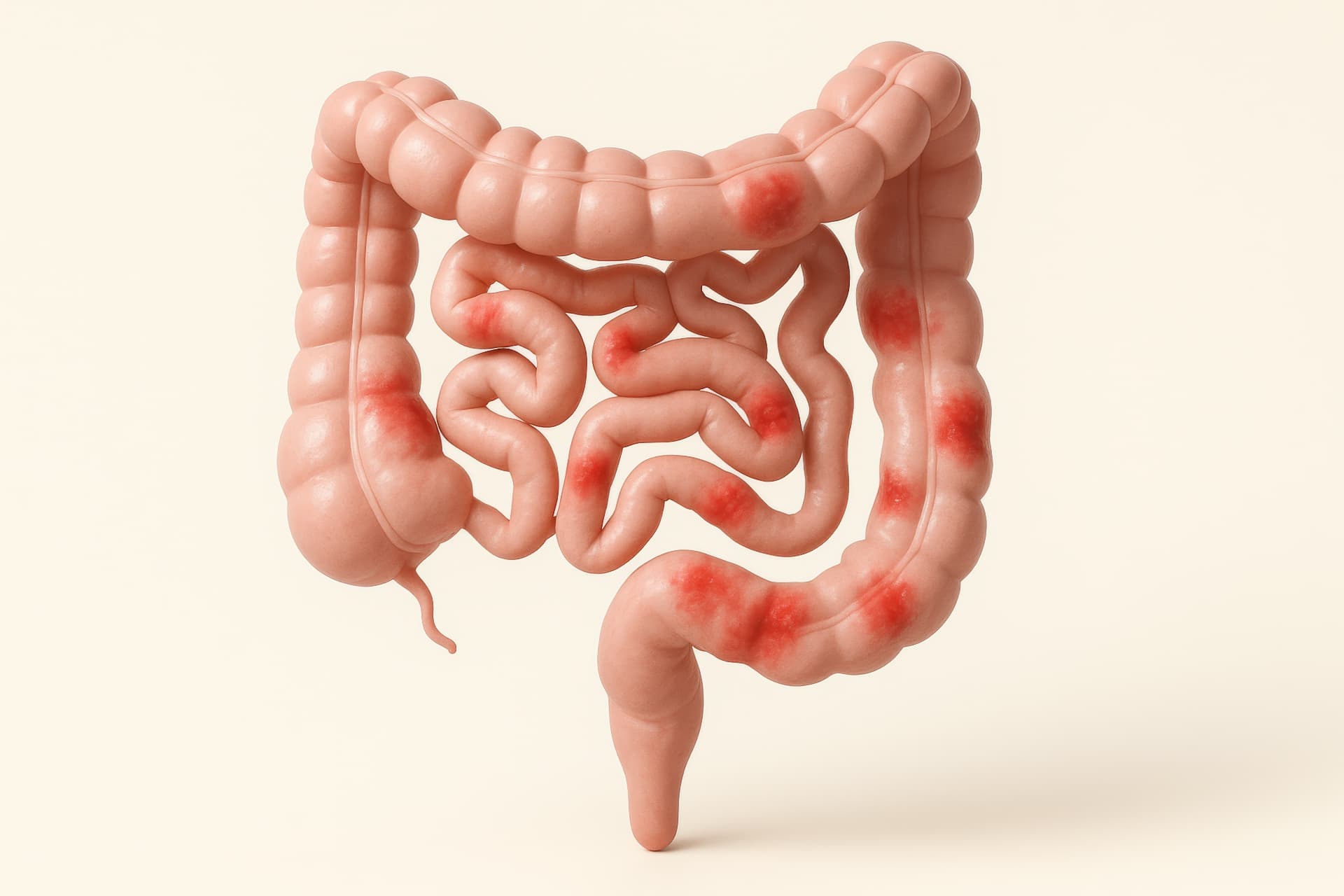
What is Inflammatory Bowel Disease?
Inflammatory Bowel Disease (IBD) refers to chronic conditions characterised by inflammation of the gastrointestinal tract. The two main types are Crohn's disease and ulcerative colitis.
Unlike Irritable Bowel Syndrome (IBS), IBD involves actual structural damage to the bowel wall and can lead to serious complications if not properly managed. Early diagnosis and appropriate treatment are aims to induce and maintain remission and manage long-term risks.
IBD is a lifelong condition that typically follows a relapsing-remitting course. With modern treatments including biologic therapies, most patients can achieve good disease control and maintain quality of life.
Common Symptoms of IBD
Symptoms vary depending on disease location, severity, and whether it's Crohn's or UC.
Crohn's Disease vs Ulcerative Colitis
Understanding the differences helps guide treatment decisions.
Crohn's Disease
Ulcerative Colitis
How is IBD Diagnosed?
Diagnosis requires a combination of clinical assessment, laboratory tests, endoscopy, and imaging to confirm IBD and differentiate between Crohn's disease and ulcerative colitis.
Colonoscopy with Biopsies
A primary clinical modality for diagnosis, allowing direct visualisation and tissue sampling.
Learn more about this procedure →Blood Tests
FBC, inflammatory markers (CRP, ESR), liver function, and nutritional markers.
Faecal Calprotectin
Non-invasive stool test to measure intestinal inflammation.
CT/MRI Enterography
Imaging to assess small bowel involvement and complications.
Capsule Endoscopy
Small bowel visualisation when Crohn's disease is suspected.
Learn more about this procedure →
Treatment Options
Current IBD treatment protocols aim to induce and maintain remission, heal the bowel lining, and prevent complications.
Induction Therapy
- Corticosteroids for acute flares
- 5-ASA medications for mild-moderate UC
- Exclusive enteral nutrition (Crohn's)
Maintenance Therapy
- Immunomodulators (azathioprine, methotrexate)
- Biologic therapies (anti-TNF, anti-integrin, anti-IL agents)
- JAK inhibitors
- 5-ASA for ulcerative colitis maintenance
Surgical Options
- Colectomy for refractory ulcerative colitis
- Resection for Crohn's strictures or fistulae
- Drainage of abscesses
Potential Complications
Early diagnosis and effective treatment can prevent many of these complications.
Strictures
Narrowing of the bowel causing obstruction symptoms.
Fistulae
Abnormal connections between bowel and other organs or skin.
Colorectal Cancer
Increased risk with long-standing extensive colitis.
Malnutrition
Due to malabsorption, reduced intake, or medication side effects.
Extraintestinal Manifestations
Joint, skin, eye, and liver complications.
Comprehensive IBD Care
Dr. Prem Thurairajah provides specialized IBD management with a focus on achieving disease remission, optimising quality of life, and preventing long-term complications through individualised treatment plans.
Diagnostic Colonoscopy
High-quality diagnostic and surveillance colonoscopy with chromoendoscopy for dysplasia detection.
Biologic Therapies
Access to clinical biologic and small molecule therapies for moderate-severe IBD.
Multidisciplinary Care
Coordination with surgeons, dietitians, and other specialists for comprehensive care.
Related Conditions
You may also be interested in learning about these related conditions.
Specialized IBD Care in Singapore
If you're experiencing symptoms of inflammatory bowel disease or need specialist management for Crohn's disease or ulcerative colitis, schedule a consultation today.
Book Your AppointmentDisclaimer: The information provided on this page is for educational purposes only and is not intended as a substitute for professional medical advice, diagnosis, or treatment. Always seek the advice of your physician or other qualified health provider with any questions you may have regarding a medical condition.