Liver & Pancreatic Cancer Screening
Liver and pancreatic cancers are among the leading causes of cancer deaths in Singapore. Early detection through appropriate screening can significantly improve treatment outcomes.
Book a Consultation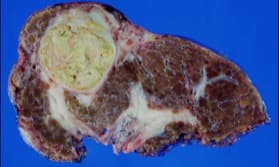
Why Get Screened?
Early Detection
Find cancer at treatable stages
Accurate Diagnosis
Specialized imaging and clinical tumour markers
Better Outcomes
Early treatment improves survival

Liver Cancer Risk Factors
Hepatocellular carcinoma is a prevalent type of primary liver cancer and the 4th most common cancer in Singapore.
- Chronic hepatitis B or C infection
- Liver cirrhosis from any cause
- Metabolic dysfunction-associated steatotic liver disease (MASLD/MASH)
- Heavy alcohol consumption
- Family history of liver cancer
- Exposure to aflatoxins (toxins from mould)
- Diabetes and obesity
Liver Cancer Screening Methods
A combination of imaging and blood tests is used to detect liver cancer early in high-risk individuals.
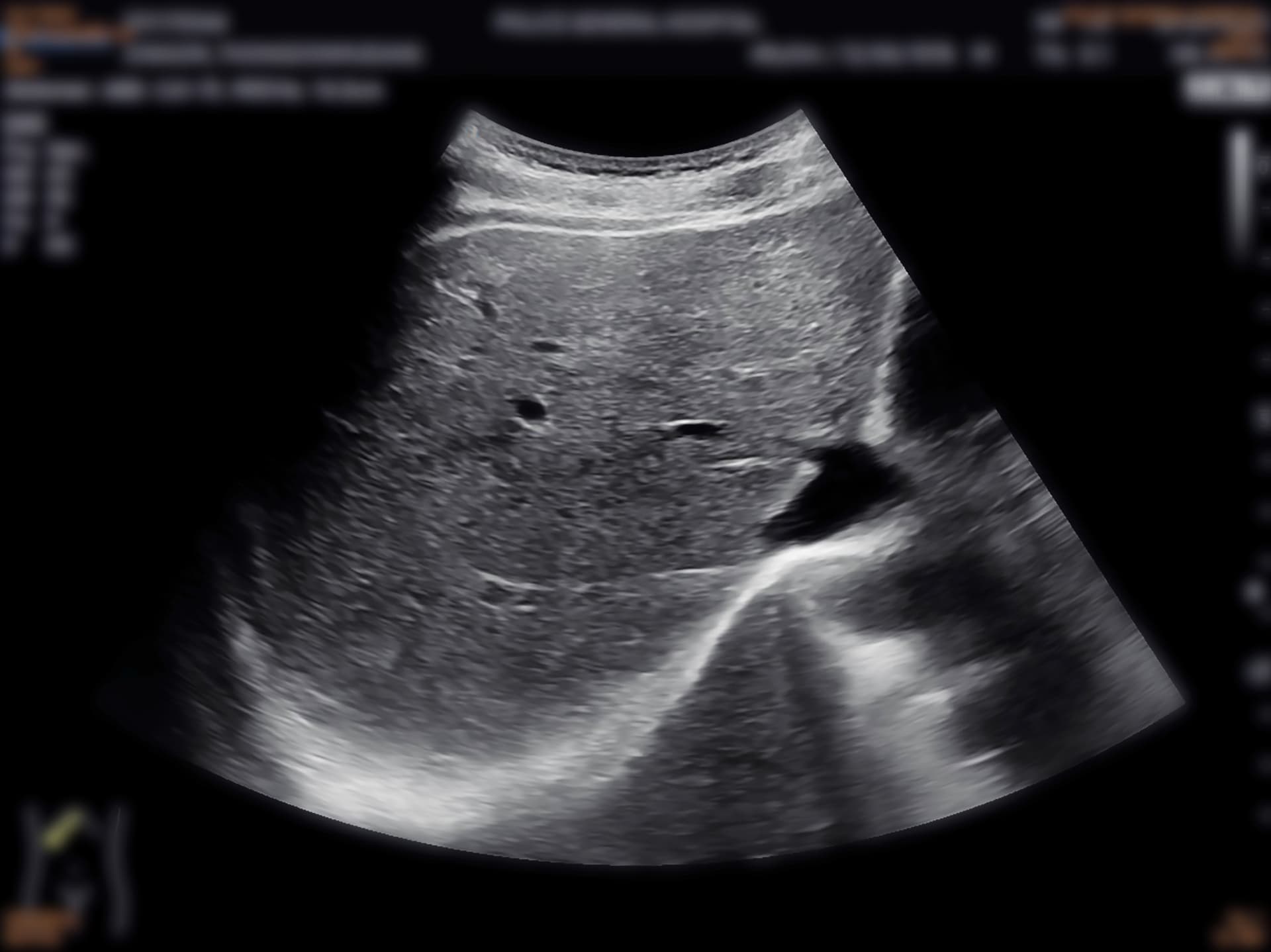
Ultrasound of the Liver
A non-invasive imaging test that uses sound waves to create pictures of the liver. It can detect tumours as small as 1-2 cm. Recommended every 6 months for high-risk individuals.
Alpha-fetoprotein (AFP) Blood Test
A tumour marker that may be elevated in liver cancer. Used in combination with ultrasound for better detection. Recommended every 6 months for high-risk individuals.
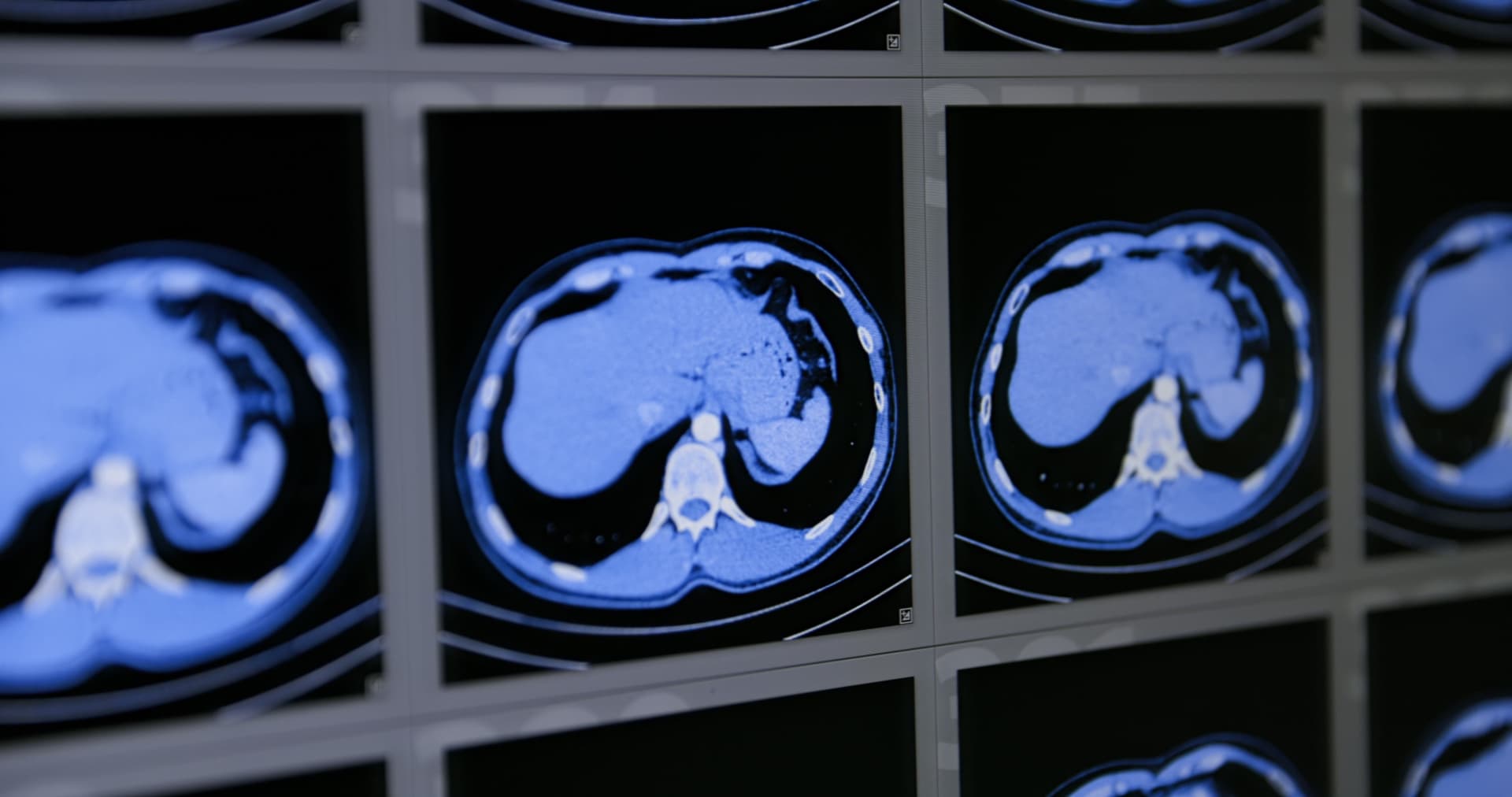
CT or MRI Scan
Advanced imaging used when ultrasound findings are inconclusive or for further characterisation of liver lesions. Performed as clinically indicated.
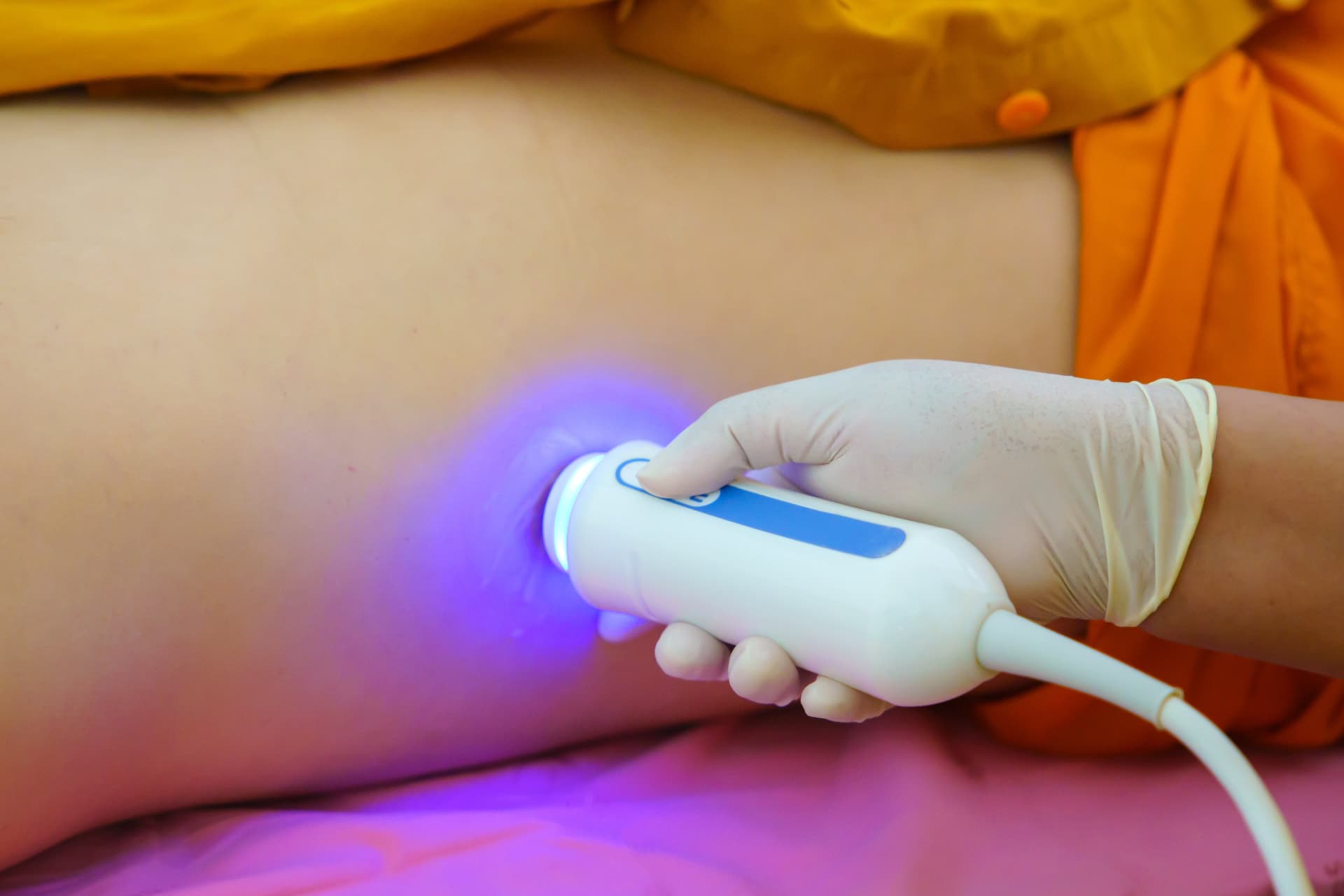
Fibroscan
A specialised ultrasound that measures liver stiffness to assess for cirrhosis, which increases cancer risk. Recommended annually or as indicated.
Learn more about this procedure →Pancreatic Cancer Risk Factors
Pancreatic cancer often requires timely clinical evaluation and management. Early detection significantly improves treatment options.
- Age 50 years and above
- Smoking
- Chronic pancreatitis
- Family history of pancreatic cancer
- Hereditary syndromes (e.g., BRCA2, Lynch syndrome)
- Diabetes mellitus (especially new-onset)
- Obesity
Who Should Be Screened?
Pancreatic cancer screening is recommended for high-risk individuals:
- Individuals with 2 or more first-degree relatives with pancreatic cancer
- Carriers of BRCA1, BRCA2, PALB2, or other hereditary cancer syndrome genes
- Patients with Peutz-Jeghers syndrome
- Patients with hereditary pancreatitis
Pancreatic Cancer Screening Methods
Screening for pancreatic cancer focuses on high-risk individuals using advanced imaging techniques.
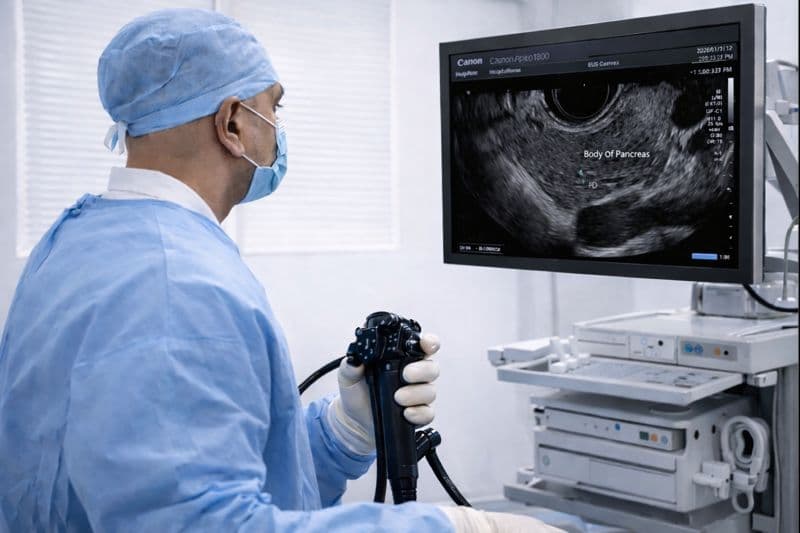
Endoscopic Ultrasound (EUS)
A highly sensitive diagnostic modality for detecting small pancreatic lesions. A thin tube with an ultrasound probe is passed through the mouth to get close-up images of the pancreas. Recommended annually for high-risk individuals.
Learn more about this procedure →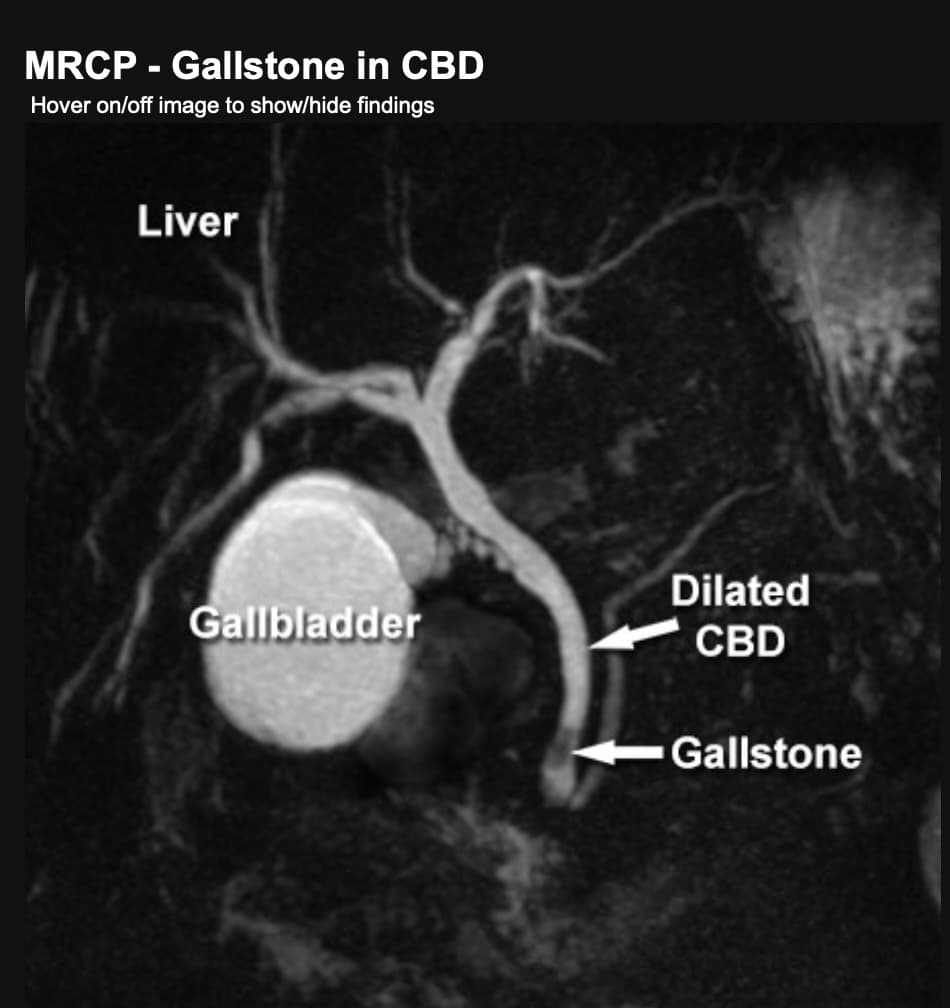
MRI/MRCP
Magnetic resonance imaging with cholangiopancreatography provides detailed images of the pancreas and bile ducts without radiation. Recommended annually for high-risk individuals.
CA 19-9 Blood Test
A tumour marker that may be elevated in pancreatic cancer. However, it is not recommended for general screening due to limited sensitivity and specificity.
Schedule a Clinical Assessment for Cancer Screening
If you have risk factors for liver or pancreatic cancer, early screening could save your life. Consult Dr. Prem Thurairajah for a personalised screening plan.
Schedule a ConsultationRelated Conditions
You may also be interested in learning about these related conditions.
The information provided is for educational purposes only and should not replace professional medical advice. Please consult Dr. Prem Thurairajah for personalised diagnosis and treatment options.