Hepatitis B & C
Hepatitis B and C are viral infections that affect the liver and can lead to serious complications including cirrhosis and liver cancer if left untreated. With established antiviral therapies, Sustained virological response (SVR) is achievable in over 95% of cases, while Hepatitis B can be effectively controlled with antiviral therapy. Early detection and treatment are key to preventing liver damage.
Book a Consultation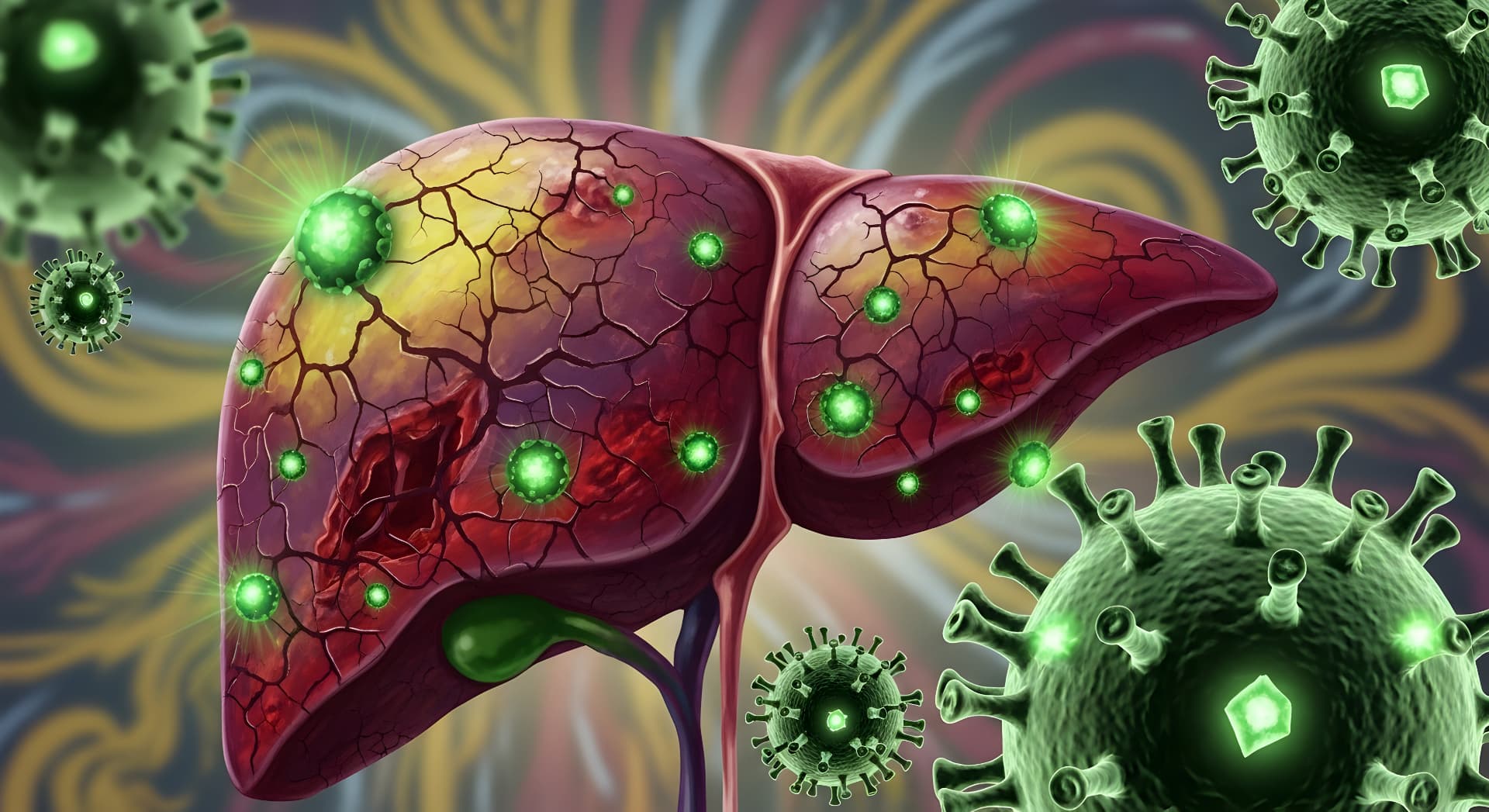
4%
of Singapore residents have Hep B
95%+
Hepatitis C cure rate
8-12
weeks to cure Hep C
70%
have no symptoms initially
Understanding Hepatitis B & C
Viral hepatitis refers to inflammation of the liver caused by viral infection. Hepatitis B virus (HBV) and Hepatitis C virus (HCV) are the two most common causes of chronic viral hepatitis worldwide.
Hepatitis B is transmitted through blood and body fluids, most commonly from mother to child at birth in endemic regions like Singapore. It can become chronic and requires long-term monitoring and sometimes lifelong treatment.
Hepatitis C is primarily transmitted through blood-to-blood contact. Unlike Hepatitis B, it can now be completely cured with a short course of direct-acting antiviral (DAA) medications, representing a significant development in clinical medicine.
Hepatitis B
Hepatitis B is a vaccine-preventable infection. In Singapore, approximately 4% of the population carries the Hepatitis B virus. Most chronic carriers acquired the infection at birth before universal vaccination was introduced in 1987. While there is no cure for Hepatitis B, it can be effectively managed with antiviral medications to prevent liver damage.
Hepatitis B Risk Factors
Hepatitis B Treatment
Not all Hepatitis B carriers require treatment. The decision to treat is based on:
- Viral load (HBV DNA level)
- Liver enzyme levels (ALT)
- Degree of liver fibrosis (assessed by FibroScan)
- Presence of cirrhosis or family history of liver cancer
When treatment is indicated, oral antiviral medications such as tenofovir or entecavir are highly effective at suppressing the virus and preventing liver damage. Most patients require long-term or lifelong treatment.
Hepatitis C
Hepatitis C can now be completely cured with a short course of direct-acting antiviral (DAA) medications. This is one of the greatest advances in clinical medicine – a chronic viral infection that previously led to cirrhosis and liver cancer can now be eliminated in 8-12 weeks of oral treatment with cure rates exceeding 95%.
Hepatitis C Risk Factors
Hepatitis C Is Curable
Modern DAA medications cure Hepatitis C by directly targeting the virus's ability to replicate:
- Treatment duration: 8-12 weeks of oral tablets
- Cure rate: Over 95% achieve sustained virological response (SVR)
- Side effects: Generally mild and well-tolerated
- One-time treatment: Once cured, you cannot be reinfected with the same strain
Dr. Prem has extensive experience in treating Hepatitis C and was instrumental in developing community-based Hepatitis C treatment programs in Singapore. His work in this area was recognised with the Singapore Medical Association Publication Award (2020).
Signs & Symptoms
Many people with chronic Hepatitis B or C have no symptoms for years or even decades, which is why screening is so important. When symptoms do occur, they may include:
Fatigue and Weakness
Persistent tiredness that doesn't improve with rest, often the most common symptom.
Jaundice
Yellowing of the skin and eyes due to elevated bilirubin from liver inflammation.
Abdominal Pain
Discomfort in the right upper abdomen where the liver is located.
Dark Urine
Tea-coloured urine due to bilirubin excretion through the kidneys.
Loss of Appetite
Reduced desire to eat, sometimes accompanied by nausea.
Joint Pain
Aching joints, particularly in acute Hepatitis B infection.
Diagnosis and Assessment
A clinical assessment determines your viral hepatitis status, disease activity, and any liver damage that may have occurred.
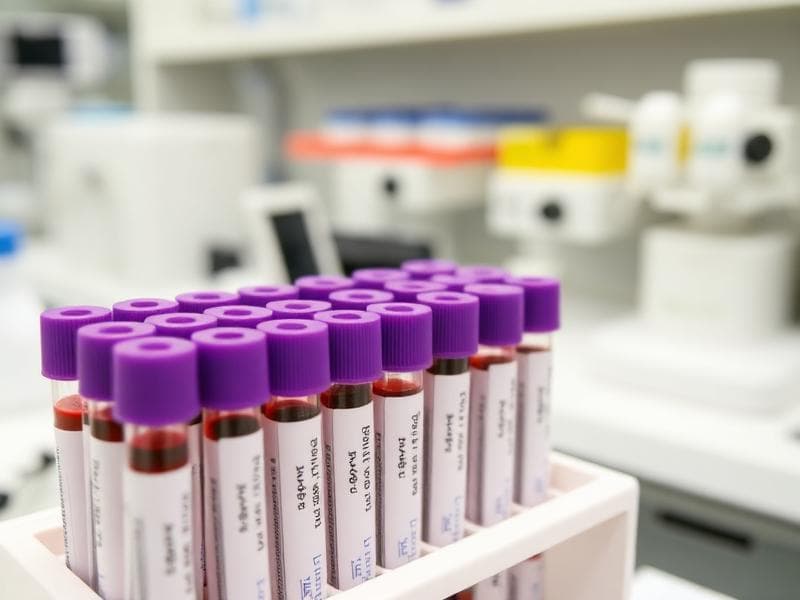
Blood Tests
Hepatitis serology, viral load, liver function, and genotype testing
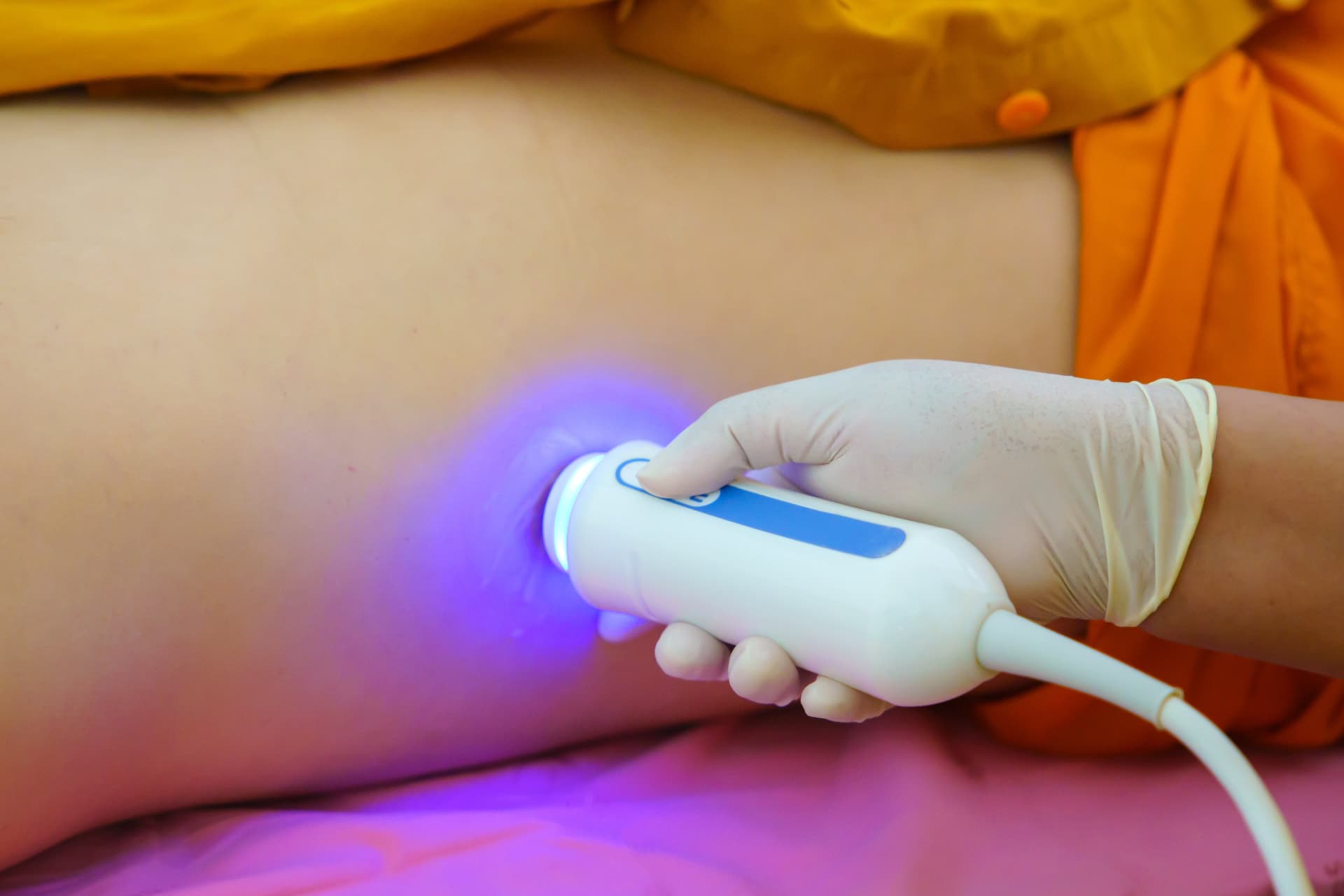
FibroScan
Non-invasive measurement of liver stiffness to assess fibrosis
Learn more about this procedure →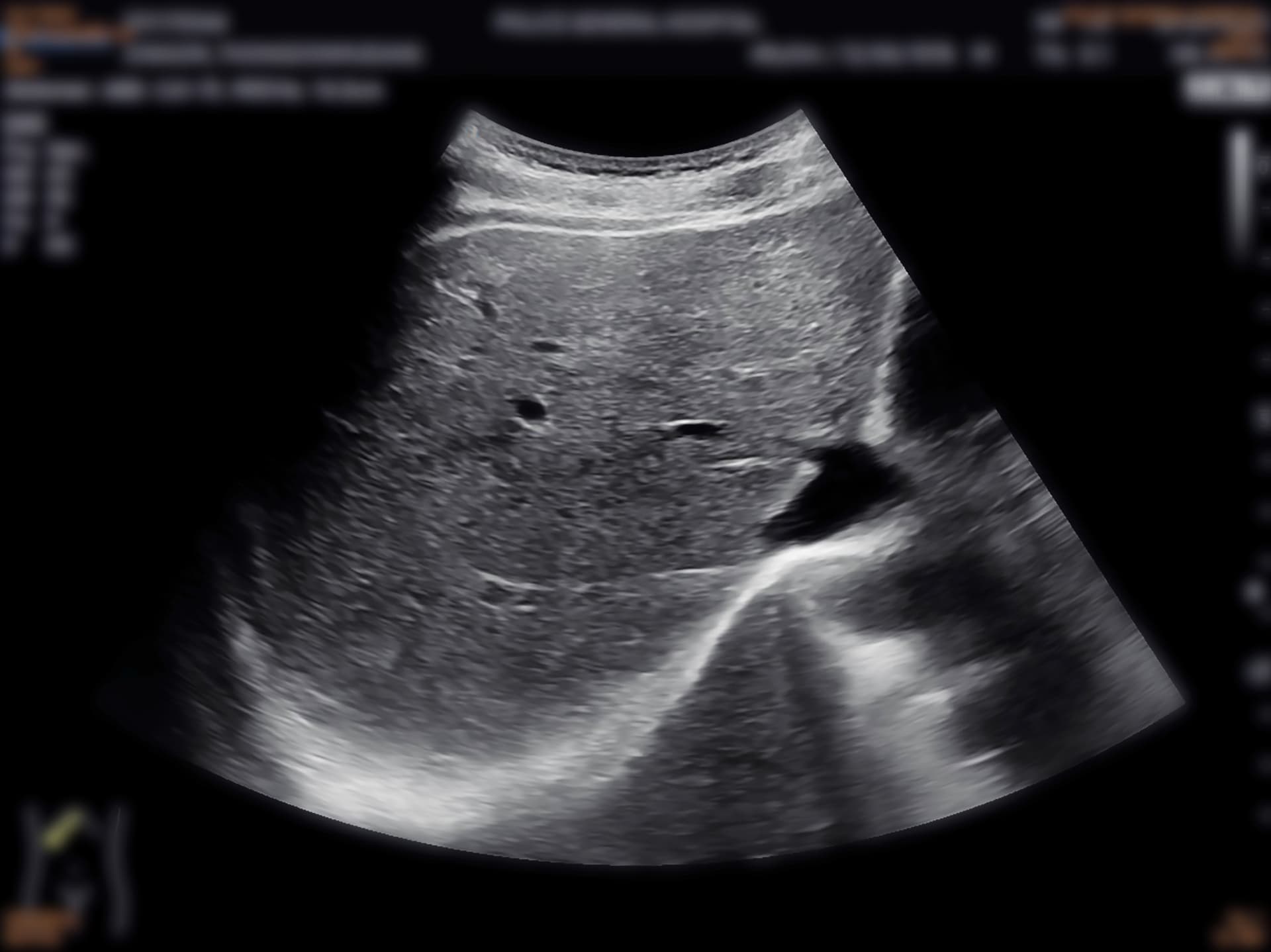
Ultrasound
Detects liver abnormalities and screens for liver cancer
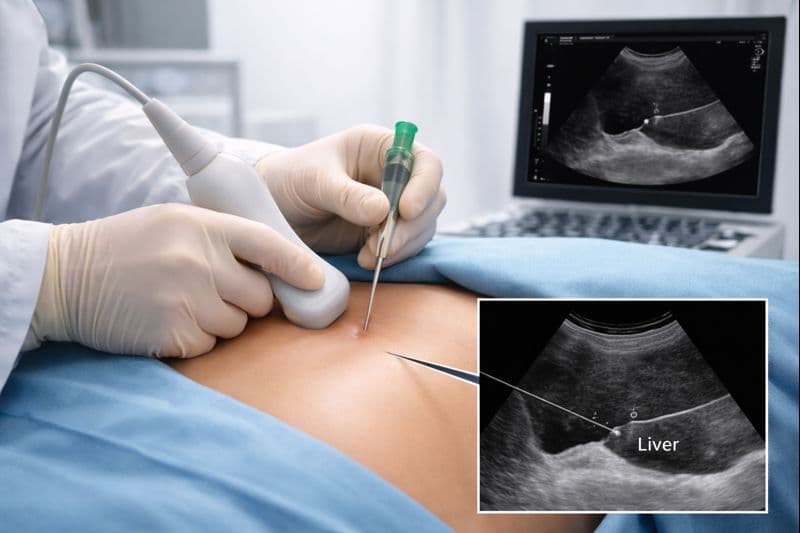
Liver Biopsy
Occasionally needed to assess inflammation and fibrosis grade
Learn more about this procedure →Your Treatment Journey
From initial screening to successful treatment, we guide you through every step of your care.
Screening & Detection
Blood tests to detect Hepatitis B surface antigen (HBsAg) and Hepatitis C antibodies. Early detection is crucial for preventing liver damage.
Disease Assessment
FibroScan, liver function tests, and viral load measurement to determine disease activity and liver fibrosis stage.
Treatment Decision
Based on viral activity, liver damage, and patient factors, your doctor will recommend monitoring or antiviral therapy.
Monitoring & Follow-up
Regular blood tests and FibroScan to monitor treatment response, viral suppression, and liver health.
Prevention & Vaccination
Hepatitis B Vaccination
Hepatitis B is vaccine-preventable. The vaccine is safe, effective, and provides long-lasting protection.
- Part of Singapore's national immunisation schedule since 1987
- 3-dose series provides over 95% protection
- Recommended for all unvaccinated adults at risk
- Check your immunity with a blood test
No Hepatitis C Vaccine
There is currently no vaccine for Hepatitis C. Prevention relies on avoiding blood-to-blood contact.
- Never share needles or injecting equipment
- Ensure sterile equipment for tattoos and piercings
- Healthcare workers should follow safety protocols
- Get tested if you have any risk factors
Expert Viral Hepatitis Care
Dr. Prem Thurairajah has extensive experience in treating both Hepatitis B and C, having completed specialist training at recognised liver transplant centres in the UK and pioneered community-based Hepatitis C treatment programs in Singapore.
Medical Disclaimer: The information provided on this page is for educational purposes only and is not intended as a substitute for professional medical advice, diagnosis, or treatment. Always seek the advice of your physician or other qualified health provider with any questions you may have regarding a medical condition.
Related Conditions
You may also be interested in learning about these related conditions.